Waste Management
ADVERTISEMENT
The Hidden Costs of Landfills: Methane Emissions and Soil Contamination
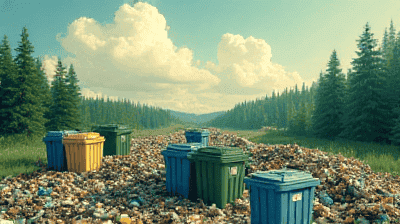
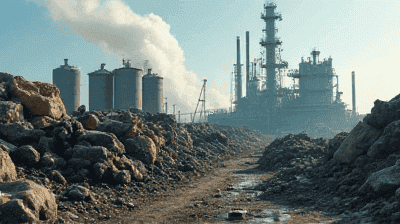
Landfills have long been the go-to solution for managing waste generated by our increasingly consumer-driven society. While they serve as a convenient method for disposing of solid waste, the hidden costs of landfills go far beyond their operational expenditures.
From Trash to Treasure: Innovative Upcycling Ideas for Household Waste
In an era where sustainability is at the forefront of global concerns, the concept of upcycling has gained significant traction among environmentally conscious individuals. Upcycling refers to the creative process of transforming waste materials or useless products into new materials or products of better quality or environmental value.
Food Waste to Biofuel: How Anaerobic Digestion Turns Scraps into Energy
Food waste is an increasingly critical issue around the world. According to the Food and Agriculture Organization (FAO), approximately one third of all food produced globally is wasted. This not only represents a significant loss of resources but also contributes to greenhouse gas emissions and environmental degradation.
The Dangers of Medical Waste: How Hospitals Are Improving Disposal Methods
Medical waste management is a critical issue that affects public health and the environment. As healthcare facilities generate substantial amounts of waste, much of which can be hazardous, proper disposal methods are essential to prevent contamination and health risks.
Waste-to-Energy Plants: Are They a Sustainable Solution or a Pollution Risk?
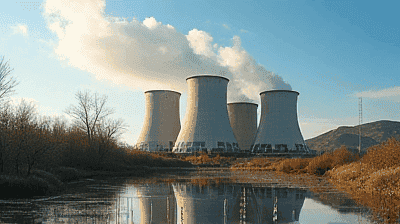
As the global population continues to expand and urbanize, waste management has become one of the pressing challenges of our time. Traditional waste disposal methods, particularly landfills, not only occupy vast land areas but also contribute significantly to greenhouse gas emissions and soil contamination.
How to Responsibly Recycle Electronics: Certified E-Waste Programs Explained
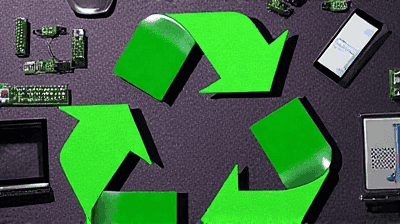
In our technology-driven society, the proliferation of electronic devices has become an integral part of daily life. However, with the increasing consumption of gadgets like smartphones, laptops, tablets, and televisions comes a significant environmental challenge: electronic waste, or e-waste. As old devices are discarded, they can contribute to serious environmental issues if not managed properly.
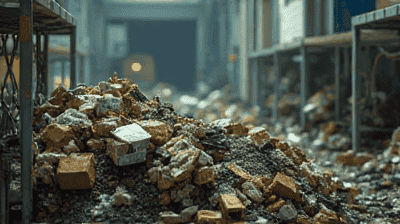
The Global E-Waste Crisis: Where Do Old Phones and Laptops End Up?
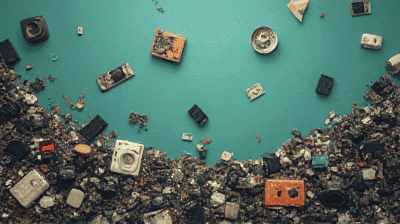
The rapid advancement of technology has significantly enhanced our lives, offering unprecedented convenience and connectivity. However, this tech boom comes at a considerable cost—the growing crisis of electronic waste, commonly known as e-waste.
How to Safely Dispose of Household Hazardous Waste (Batteries, Paints, Chemicals)
In today’s world, the management of household hazardous waste (HHW) has become a critical concern for both environmental sustainability and public health. Items that are commonly found in homes, such as batteries, paints, cleaning products, and other chemicals, can pose significant risks to human health and the environment if not disposed of properly.
How Fashion Brands Are Adopting Circular Models to Reduce Textile Waste
The fashion industry is one of the most resource-intensive sectors in the world, contributing significantly to global textile waste and environmental degradation. With increasing awareness of the negative impacts of fast fashion, many brands are beginning to adopt circular business models aimed at minimizing waste and promoting sustainability.
The Role of Bioremediation in Breaking Down Hazardous Waste Naturally
As the world faces increasing challenges related to pollution and environmental degradation, the need for effective waste management strategies has never been more critical. Hazardous waste, generated from various industrial processes, agricultural activities, and urban development, poses significant risks to human health and ecosystems.